
El Salvador eSIM
8 plans available
Best eSIM for El Salvador
Compare 8 prepaid eSIM plans for El Salvador starting from €5.33. Instant QR code delivery by email, activation in under 2 minutes, no roaming fees and no contracts.
Mobile Networks & Coverage in El Salvador
e1sim El Salvador plans run on Personal El Salvador — one of the country's main mobile operators — with 4G LTE coverage across the country's urban centres and main tourist corridors. San Salvador, the capital and largest city, has strong 4G coverage across the city centre, the Zona Rosa commercial and nightlife district, the Colonia Escalón residential area, the Santa Elena business zone and the main shopping malls. The main Pan-American Highway corridor running north-south through the country has 4G LTE in all major towns. The Ruta de las Flores — the western tourist circuit through Juayúa, Apaneca, Ataco and the coffee-growing highlands — has coverage in the main towns along the route.
Beach areas along the Pacific coast have varying coverage. El Tunco, La Libertad and El Zonte (home to Bitcoin Beach) on the central coast near San Salvador have good 4G coverage. Las Flores and El Cuco in the east have moderate signal. The volcanic highlands — including Santa Ana Volcano (the highest in El Salvador at 2,381 m) and Cerro Verde — have coverage at the visitor centre areas but limited signal on the crater rim trails. The Gulf of Fonseca in the east has coverage on the main shoreline.
San Salvador, El Tunco & the Jewel of Central America
El Salvador is the smallest and most densely populated country in Central America, covering 21,000 square kilometres with a population of approximately 6.5 million people. It is the only Central American country without a Caribbean coastline — its entire coast faces the Pacific — and is characterised by a dramatic volcanic landscape, with over 20 volcanoes running in a chain along the country's length. San Salvador, the capital at 660 metres above sea level, is a modern, lively city that has undergone significant transformation in recent years, with a revitalised historic centre, a vibrant food scene and a growing surf and arts culture. The Metropolitan Cathedral of the Holy Saviour on Plaza Barrios is the city's most recognisable landmark; the Mercado Central and the Mercado Ex-Cuartel are traditional markets worth exploring for textiles, crafts and produce. The upscale Zona Rosa district and the Colonia Roma-Condesa-style areas around Escalón offer the city's best restaurant and bar scene.
The Pacific beaches west of San Salvador — El Tunco, El Zonte and Playa El Sunzal — have become internationally renowned surfing destinations in recent years, attracting wave riders from North and South America and Europe. El Tunco is particularly popular for its beach-party atmosphere, hostels and consistent right-hand point break visible from the beach access road. El Zonte gained global attention as "Bitcoin Beach" — a community experiment from 2019 that became the world's first bitcoin circular economy, predating El Salvador's legal tender adoption of bitcoin in 2021 by two years. The Ruta de las Flores in the western highlands — a 36-kilometre route through the towns of Nahuizalco, Salcoatitán, Juayúa, Apaneca and Concepción de Ataco — is one of the most scenic drives in Central America: indigenous Pipil craft markets, coffee farms open to visitors, flower festivals and colonial-era painted buildings give it an identity unlike anywhere else in the region. The Ataco market in particular is known for textiles and indigo-dyed crafts.
El Salvador's volcanic highlands offer some of the most accessible volcano trekking in Central America. The Santa Ana Volcano (Ilamatepec, 2,381 m), the highest point in the country, can be hiked with guides from the Cerro Verde National Park visitor centre in around 4 hours return. The volcanic crater of Santa Ana contains a striking sulphurous turquoise lake — one of the most dramatic crater lake views in Central America. Izalco Volcano (Izalco, 1,950 m) — nicknamed the "Lighthouse of the Pacific" for its historical continuous eruptions that guided sailing ships — is visible from the slopes of Cerro Verde and presents a barren, almost lunar landscape. The Suchitlán Lake (Cerron Grande Reservoir) in the north offers freshwater fishing and a network of lake communities including Suchitoto — a beautifully preserved colonial town known for its arts scene and bird-watching.
eSIM vs Roaming in El Salvador
El Salvador adopted the US dollar as its sole legal currency in 2001 and added bitcoin as legal tender in 2021 — the only country in the world with two legal currencies. It is not part of the EU roaming zone. EU and UK carriers apply international Central America rates for El Salvador — typically €2–5 per day for data add-ons. US carriers may include El Salvador in their Central America day-pass options. An e1sim prepaid plan on Personal El Salvador provides a fixed data allowance on the local 4G LTE network at a transparent prepaid price, without the risk of unexpectedly high bills.
Physical SIM cards from Personal (Telecom Personal), Claro and Tigo are available in San Salvador, including at the airport. However, purchasing an eSIM before departure is far more practical: scan the QR code before your flight and data activates when you land at Monseñor Óscar Arnulfo Romero International Airport. Plans are data-only; voice calls and messaging run over WhatsApp, which is the universally used communication platform across El Salvador.
Why Choose e1sim for El Salvador?

Instant Activation
Scan a QR code and go online in minutes — no physical SIM needed

Best Prices
Transparent pricing with no hidden fees or roaming surprises

Premium Network
4G/LTE on top local carriers — fast and reliable everywhere you travel
Explore El Salvador with e1sim

El Tunco Beach
Black volcanic sand, epic surf breaks and a buzzing backpacker scene on the Pacific coast

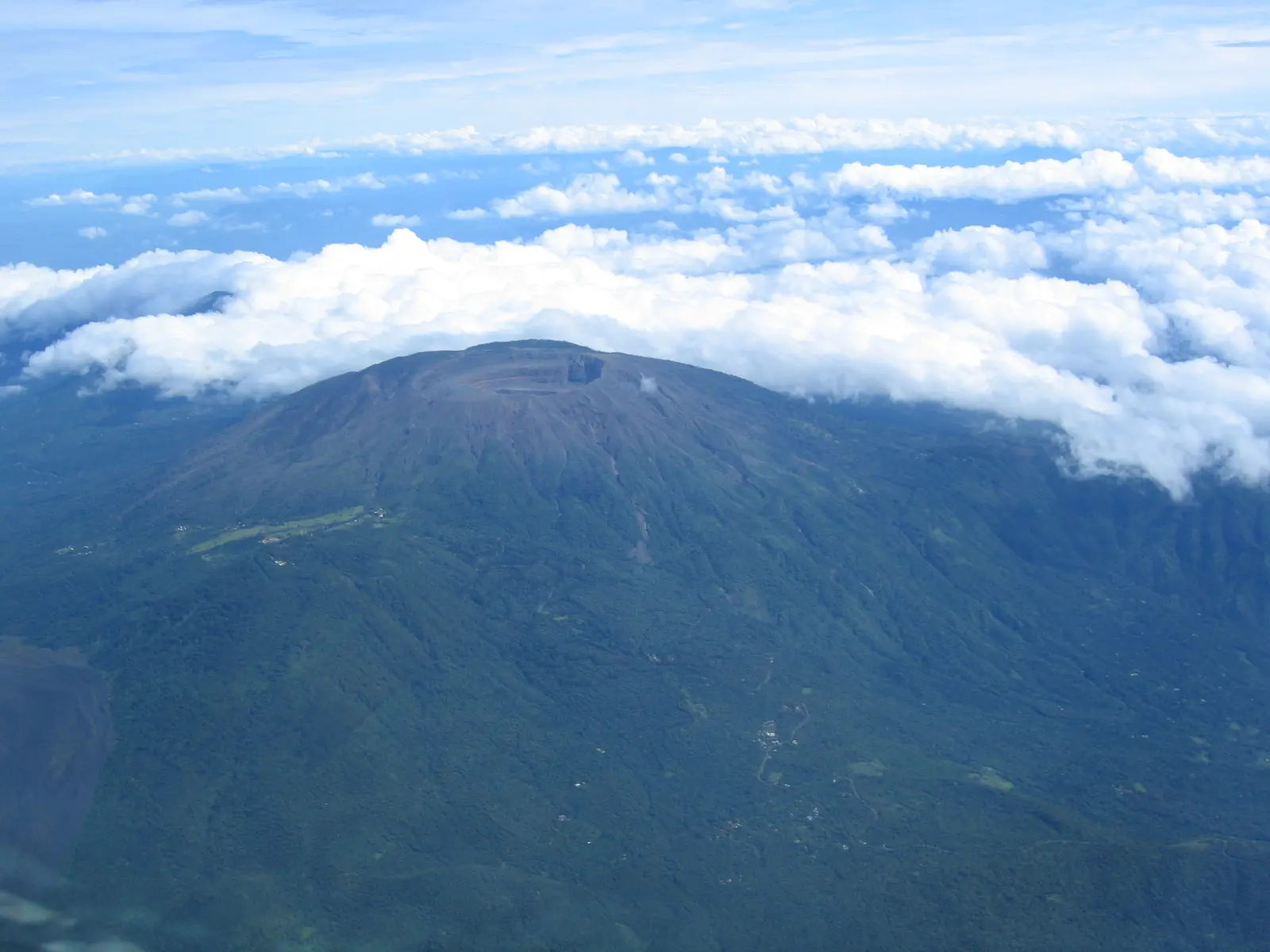
Santa Ana Volcano
Hike to El Salvador's highest peak and peer into a stunning crater lake of emerald-green acid water

Joya de Cerén
The Pompeii of the Americas — a Maya village frozen in time under volcanic ash for 1,400 years