
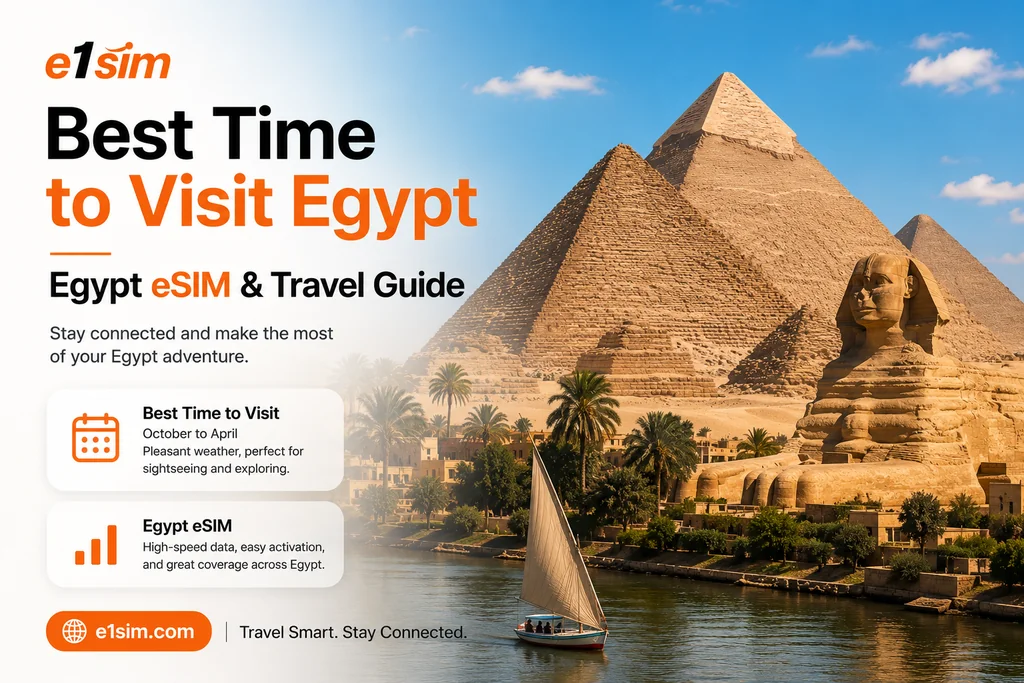
The Best Time To Visit Egypt
Egypt, the land of ancient wonders and timeless mysteries, beckons travelers from around the globe to explore its magnificent treasures. From the iconic pyramids of Giza to the serene Nile River cruises, Egypt offers an unforgettable journey through millennia of history. However, the vast desert landscape and Mediterranean climate mean that timing your visit is crucial for a comfortable and enjoyable experience. The best time to visit Egypt depends on your preferences, budget, and tolerance for heat, but generally falls between November and March when temperatures are most pleasant. During this period, you'll enjoy cooler weather, clear skies perfect for sightseeing, and the opportunity to experience Egypt's most visited attractions without the oppressive summer heat. Whether you're planning to explore ancient temples, navigate bustling bazaars, or sail down the Nile, understanding Egypt's climate patterns and seasonal variations will help you make the most of your adventure. Before departing, don't forget to arrange proper mobile connectivity—an Egypt eSIM from e1sim.com ensures you stay connected throughout your journey without the hassle of international roaming charges.
Climate and Weather Patterns in Egypt
Egypt's climate is dominated by its position in the Sahara Desert, creating distinct seasonal variations that significantly impact the visitor experience. The country experiences two primary seasons: a hot, dry summer and a mild winter.
Summer months (June through August) see temperatures soaring beyond 40°C (104°F), particularly in inland areas like Luxor and Aswan. The heat is relentless and unforgiving, making outdoor sightseeing exhausting and potentially dangerous. Cairo remains slightly more bearable due to its coastal proximity, but even there, temperatures regularly exceed 35°C (95°F). Humidity along the Mediterranean coast can make the heat feel even more oppressive.
Winter months (December through February) bring the most pleasant weather, with daytime temperatures ranging from 15-25°C (59-77°F) in most regions. Nights can be surprisingly cool, especially in desert areas, so bringing layers is essential. This period receives minimal rainfall, ensuring clear skies ideal for exploring outdoor attractions.
Shoulder seasons (March-May and September-November) offer a compromise between extreme temperatures and pleasant conditions. April and May can still be quite warm, while September and October retain summer's heat but begin to cool toward winter's comfortable range.
Peak Tourist Season: November to March
The period from November through March represents Egypt's peak tourist season, and for good reason. This timeframe offers the most comfortable weather conditions for exploring ancient sites and engaging in outdoor activities. Hotel rates reach their highest during this period, particularly around Christmas and New Year holidays, so booking well in advance is advisable.
During these months, you'll experience ideal conditions for visiting outdoor attractions like the Giza Plateau, Valley of the Kings, and Temple of Karnak. The pleasant temperatures make walking through archaeological sites enjoyable rather than exhausting. Tourism infrastructure operates at full capacity, with all accommodations, restaurants, and tour services readily available.
Pro tip: If you're traveling during peak season, ensure you have reliable communication with the rest of the world. An Egypt eSIM card from e1sim.com provides seamless connectivity for navigation, travel apps, and staying in touch with family and friends. This digital solution offers better rates than traditional roaming and works instantly upon arrival.
Shoulder Seasons: The Middle Ground
Travel during shoulder seasons—late March to April and September to early November—can be an excellent choice for budget-conscious travelers seeking a balance between comfort and crowds.
Spring shoulder season (late March-April) features warming temperatures but remains manageable for sightseeing. April can see temperatures climb to 30°C (86°F) or higher, particularly in Luxor and Aswan, but mornings and evenings remain pleasantly cool. This period falls outside major holiday breaks, resulting in fewer tourists and lower accommodation prices.
Fall shoulder season (late September-early November) mirrors spring's advantages. Temperatures gradually decrease from summer's intense heat, and by November, conditions approach peak season comfort. The Egyptian desert offers spectacular sunsets during this transitional period, with golden light painting the ancient monuments in magical hues. Again, reduced tourist numbers mean better value and more personal experiences with local guides and merchants.
During shoulder seasons, staying connected remains important for adjusting travel plans based on weather or discovering hidden local gems. An eSIM for Egypt from e1sim.com allows you to quickly search for updated weather forecasts, last-minute hotel availability, or recommendations from local tourism boards without worrying about expensive international data charges.
Summer Travel: Challenges and Considerations
While not recommended for most travelers, summer months (June-August) present both significant challenges and unique opportunities for those considering an Egypt visit during this period.
The extreme heat makes midday exploration virtually impossible, forcing most activities to early morning or late evening hours. Temperatures often exceed human comfort thresholds, increasing heat exhaustion and dehydration risks. Popular sites become unbearably hot under the desert sun, and air-conditioned transportation becomes essential rather than convenient.
However, summer offers substantial advantages for budget travelers. Hotel rates drop dramatically—sometimes by 40-50% compared to peak season. Restaurants and tourist attractions see minimal crowds, allowing for a more intimate experience with Egypt's wonders. If you possess exceptional heat tolerance and plan activities strategically, summer travel can be rewarding.
Most summer visitors limit their activities to Nile cruises, where air-conditioned vessels provide constant comfort and relief from the heat. Others choose to visit during very early morning hours before the sun reaches its peak intensity, then retreat to air-conditioned accommodations during afternoons.
For summer travelers relying on outdoor activities or lacking air-conditioning access, maintaining regular hydration and sun protection becomes critical. Having reliable communication with hotel staff, guides, or emergency services proves invaluable in such conditions. An Egypt eSIM from e1sim.com enables constant connectivity to emergency numbers, weather updates, and communication with travel companions—potentially life-saving investments during summer extremes.
Special Events and Festivals
Egypt's cultural calendar includes several significant events worth considering when planning your visit:
Cairo Opera Season runs primarily from September through June, showcasing world-class performances in classical Arabic and Western repertoire.
Cairo International Film Festival typically occurs in November, attracting cinephiles worldwide.
Ramadan and Eid celebrations, while not seasonal weather events, significantly impact daily routines and activity availability. During Ramadan, many restaurants close during daylight hours, and some sites have altered hours. However, Ramadan evenings create magical atmospheres in Cairo's historic quarters, with festive celebrations and special traditional foods.
Annual Nile flood celebrations (historically marked the inundation season, though modern dams control this) still influence cultural festivals and local observances.
Planning Your Egypt Adventure
Choosing the best time to visit Egypt ultimately depends on your priorities. Winter months (November-March) offer unbeatable weather, perfect for comprehensive sightseeing, though at premium prices. Shoulder seasons provide excellent value and reasonably comfortable conditions. Summer suits only the heat-tolerant and budget-conscious traveler willing to modify their schedule around extreme temperatures.
Regardless of when you visit, preparation proves essential. Beyond packing appropriate clothing and sun protection, ensuring proper travel documentation and communication methods is crucial. Modern travelers particularly benefit from digital connectivity solutions that don't burden them with expensive roaming charges or complicated local SIM cards.
Before confirming your Egypt travel dates, consider purchasing an Egypt eSIM card from e1sim.com. This innovative approach to mobile connectivity offers numerous advantages: instant activation upon arrival, competitive international rates, data coverage from major local providers, and the ability to maintain a home phone number simultaneously. Whether you're navigating Cairo's bustling Khan el-Khalili bazaar or exploring isolated temple complexes along the Nile, reliable connectivity through an e1sim.com eSIM ensures you remain connected throughout your Egyptian adventure.
Conclusion
Egypt presents year-round travel opportunities, each season offering distinct advantages and challenges. The peak tourist season from November through March provides the most comfortable weather and comprehensive access to all attractions, making it ideal for first-time visitors and those with time constraints. Shoulder seasons offer exceptional value and reasonable conditions for flexible travelers. Summer suits only those with specific interests and high heat tolerance, though it rewards adventurous travelers with authentic, crowd-free experiences and substantial savings.
Whatever season you choose, proper preparation enhances your experience dramatically. Arrange your accommodation, book guided tours in advance during peak season, pack climate-appropriate clothing, and ensure you have reliable mobile connectivity for navigation and communication. An Egypt eSIM from e1sim.com takes the connectivity challenge off your worry list, allowing you to focus entirely on the extraordinary archaeological wonders, vibrant culture, and timeless beauty that make Egypt one of humanity's most remarkable destinations.
Key Takeaways
- Best overall: November to March offers ideal weather (15-25°C), minimal rainfall, and comfortable sightseeing conditions, though prices are highest
- Budget option: Shoulder seasons (late March-April, September-early November) provide reduced crowds and lower prices with acceptable temperatures
- Summer caution: June-August features extreme heat (40°C+) but dramatic price reductions and fewer tourists for adventurous, heat-tolerant travelers
- Stay connected: An Egypt eSIM from e1sim.com ensures reliable communication without expensive international roaming charges across all seasons
- Plan strategically: Match your visit timing to your priorities—comfort, budget, or crowd avoidance—and prepare accordingly with proper clothing, hydration, and communication solutions